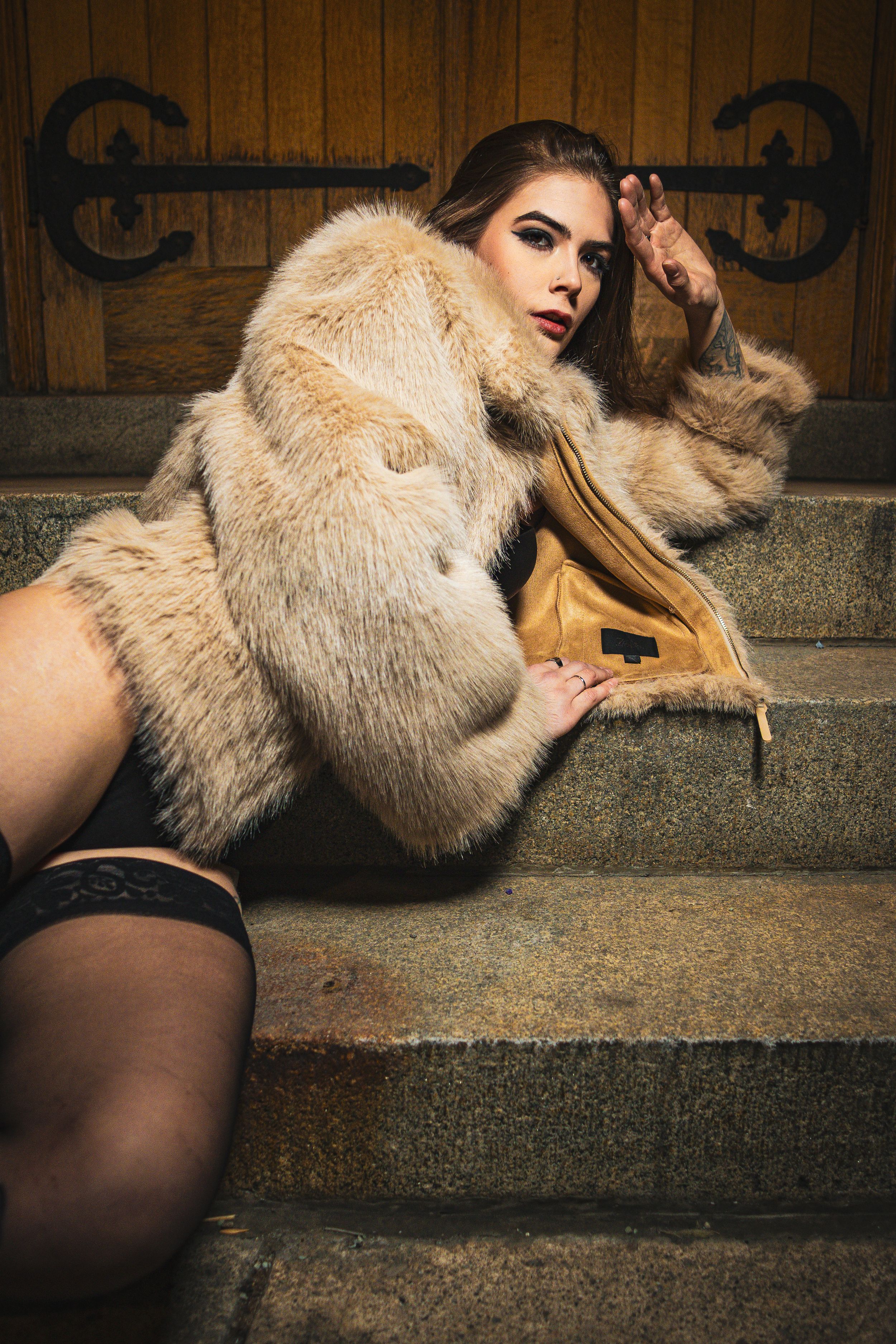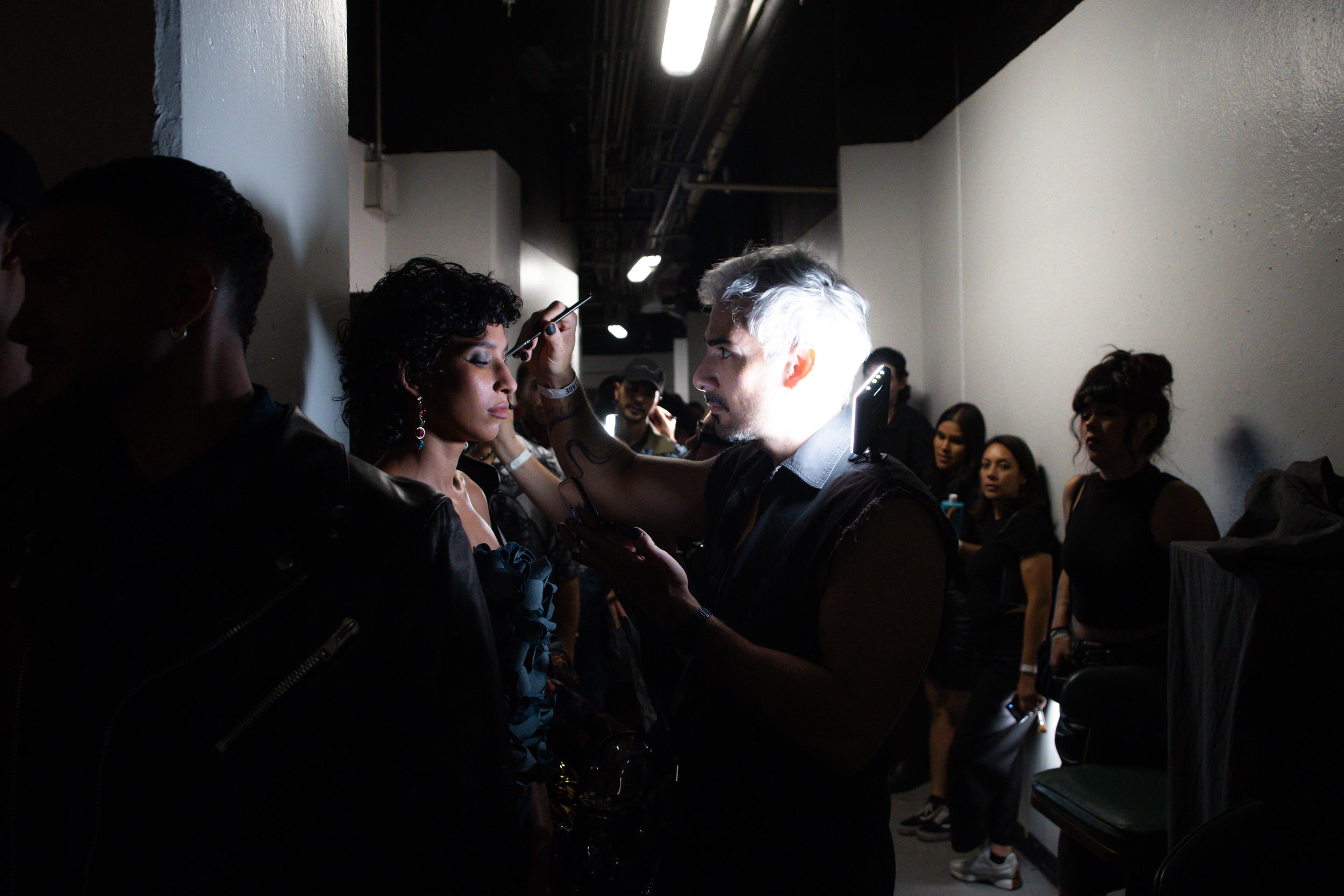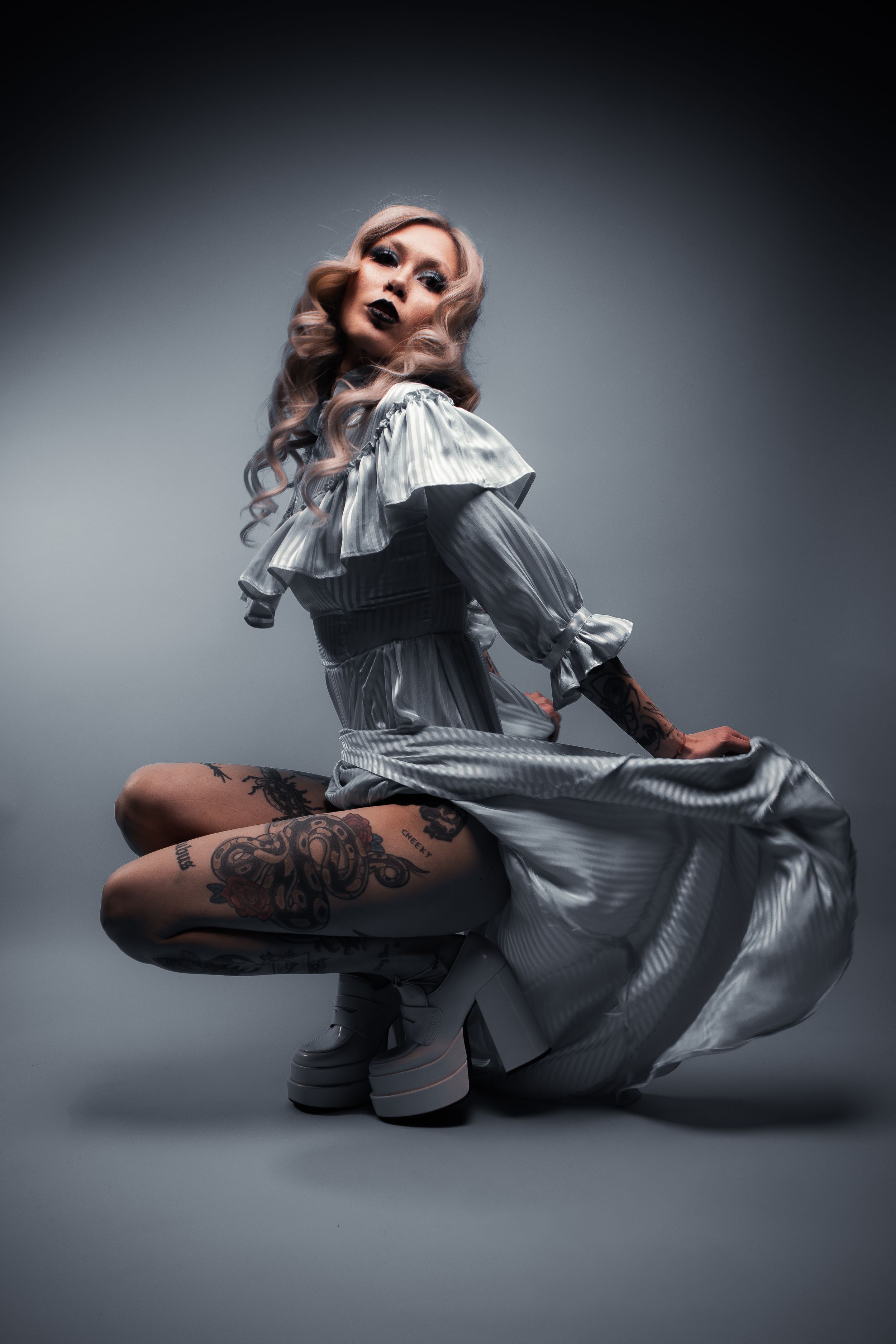
What makes a photo editorial?
What makes a photo editorial is intention: it communicates an idea or a narrative first, and the fashion becomes the language used to tell it. An editorial photo belongs to a concept and a series, not to a single beautiful frame.
Editorial photography isn’t defined by a beautiful image. It’s defined by intention. Magazine editorial photography exists to communicate an idea or narrative first, and the fashion becomes the language used to express that story.
Editorial Photography Begins With Narrative
The biggest difference between standard fashion photography and editorial fashion photography is that editorial imagery begins with a narrative. Magazines publish work that has something to say. Sometimes it’s emotional, sometimes cultural, sometimes symbolic, but there is always meaning behind the frame. The image isn’t designed just to show clothing, it's designed to reveal character, mood, perspective, or identity.
Editorial photography is also rooted in concept. The best magazine editorials feel like they belong to a larger story rather than a single moment. Lighting, styling, location, and posing all follow the same narrative direction. There is an idea shaping each decision, not just a pose or outfit chosen for visual appeal.
Lighting is often minimal and expressive rather than overly complex or technical. You’ll see sculptural direction, intentional shadow, and restrained colour treatments that feel clean and precise. Editorial photographers lean into clarity and emotion instead of heavy production.
Above all, editorial photography works as a series. Magazines choose images that create progression and cohesion when placed side-by-side. An editorial has a visual rhythm and a sense of storytelling from start to finish.
Editorial photography is never just about fashion, it’s about the narrative behind it. That is what makes a photo editorial-ready.
Explore magazine-ready editorials in the Le Café Studio portfolio →